

Close Menu

    Subscribe to Updates

    Get the latest creative news from FooBar about art, design and business.

    What's Hot

    How to Handle High-Volume API Integrations in Salesforce Without Hitting Limits

    December 19, 2025

    How to Think Like a Salesforce Architect: Mindset Shifts Every Pro Should Learn

    December 17, 2025

    Salesforce Business Rules Engine (BRE) Explained: Smarter Decisioning Beyond Apex & Custom Metadata

    December 15, 2025
    Facebook X (Twitter) Instagram
    Facebook Instagram LinkedIn WhatsApp Telegram
    Salesforce TrailSalesforce Trail
    • Home
    • Insights & Trends
    • Salesforce News
    • Specialized Career Content
      • Salesforce
      • Administrator
      • Salesforce AI
      • Developer
      • Consultant
      • Architect
      • Designer
    • Certifications Help
    • About Us
    • Contact Us
    Salesforce TrailSalesforce Trail
    Home - Developer - Salesforce Business Rules Engine (BRE) Explained: Smarter Decisioning Beyond Apex & Custom Metadata
    Developer

    Salesforce Business Rules Engine (BRE) Explained: Smarter Decisioning Beyond Apex & Custom Metadata

    Kiran Sreeram PrathiBy Kiran Sreeram PrathiDecember 15, 20254 Mins Read
    Facebook LinkedIn Telegram WhatsApp
    Salesforce Business Rules Engine (BRE) Explained
    Share
    Facebook LinkedIn Email Telegram WhatsApp Copy Link Twitter

    Business logic in Salesforce rarely stays still. As products evolve, SLAs change, and customer expectations rise, organizations often find themselves updating rules every few weeks. For many teams, maintaining this logic through Apex, Custom Metadata Types, or even Flow quickly becomes difficult and expensive.

    This is where the Salesforce Business Rules Engine (BRE) brings real value.

    BRE provides teams with a configurable, versioned, and declarative rules execution framework to handle complex decisions without requiring developer-heavy deployments. For mid- to large-scale organizations where rules change quickly, BRE offers a powerful solution.

    Logic as Configuration — not code.

    In this guide, we’ll walk through what BRE is, how it compares to Custom Metadata, when it should be used, and a real Service Cloud scenario that demonstrates its value.

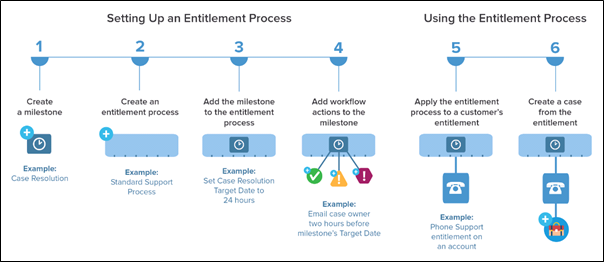
    Salesforce BRE
    Source: Salesforce

    What is Salesforce Business Rules Engine?

    The Business Rules Engine is Salesforce’s decision management framework designed for administrators, analysts, and architects. Instead of hard-coding logic, you can define rules, conditions, and outcomes using a clean, guided UI.

    With BRE, teams can:

    • Create and update logic without deployments
    • Maintain multiple rule versions
    • Visualize complex logic through decision tables
    • Execute rules from Flow, Apex, OmniStudio, and Digital Engagement
    • Empower business teams to own and update decisions

    In simple terms:

    BRE = A centralized, admin-friendly engine to automate decisions at scale.

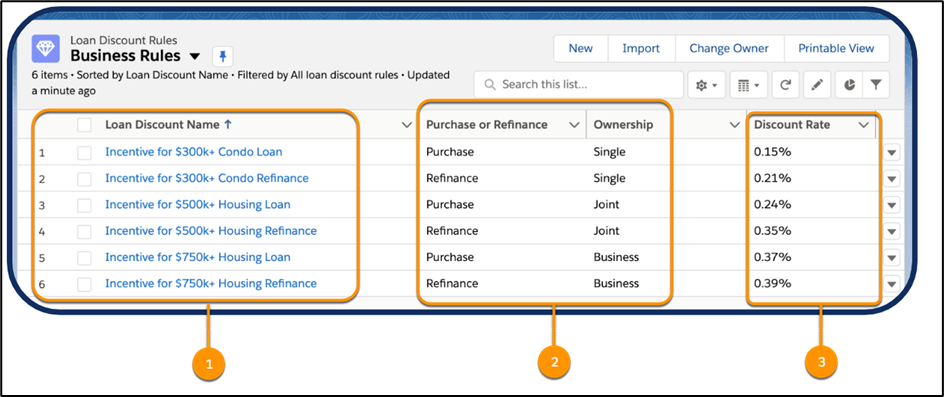
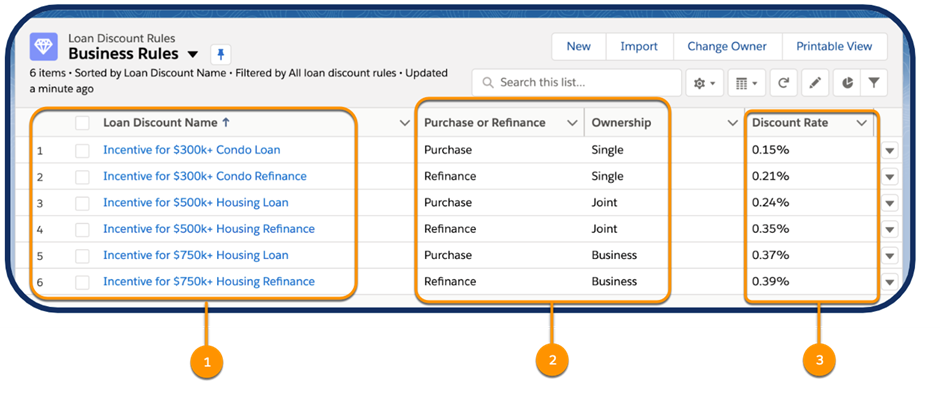
    Business Rules
    Source: Salesforce
    FeatureBRECustom Metadata (CMDT)
    StorageRules + DecisionsOnly data
    Decision EngineBuilt-inRequires Apex/Flow
    VersioningYesNo
    Change DeploymentNot requiredRequired
    Complex RulesGreatHard
    VisualizationUI + Decision TablesNone
    Ideal ForEligibility, recommendations, policy logicSimple config

    Salesforce BRE Limitations (You Should Know This Before Adopting It)

    Even though BRE is powerful, it has limitations:

    • Requires Additional Licenses: Usually included with Omnistudio / Salesforce Industries; otherwise, an add-on.
    • Not Ideal for Tiny Rules: Small rules are simpler in Flow or CMDT.
    • Learning Curve: Rule Sets, Decision Tables, and Inputs/Outputs require training.
    • Debugging is not as Straightforward as Apex: Tracing exact execution is harder.

    🔍 Read More: Best Practices for Git Branching in Salesforce Development (A Practical Guide for Teams)

    Scenario: “Entitlement-Based Troubleshooting Recommendations Engine”

    Support agents struggle because:

    • Different products have different troubleshooting steps
    • SLAs affect which solutions can be offered
    • Some resolutions require approvals
    • Other steps depend on warranty, subscription type, customer tier, etc.
    • The business team frequently changes the rules

    Apex + Custom Metadata becomes difficult because the combinations explode.

    This is where BRE shines.

    The Goal

    When an agent opens a Case, Salesforce should automatically recommend:

    • Which “Resolution Path” to follow
    • Whether a replacement is allowed
    • Whether technician dispatch is allowed
    • Whether escalation is needed
    • Whether the free service is applicable

    All based on a combination of:

    • Product Type
    • Issue Category
    • Warranty Status
    • Customer Tier
    • Active Entitlements
    • SLA

    🔍 Read More: How to Build a Clean Apex Trigger Framework: Step-by-Step Guide

    How Salesforce Business Rules Engine Solves This Problem

    Salesforce BRE
    Source: Salesforce
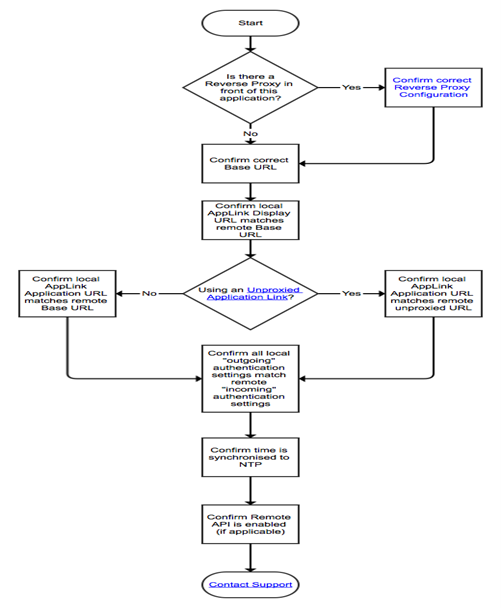
    BRE Framework
    Source: Salesforce
    1. Create a Rule Set

    Name: TroubleshootingRecommendationRuleSet

    This rule set contains all the logic for product recommendations.

    1. Define Inputs (From Case + Entitlement)

    Input VariableExample Value
    ProductType“Mobile Router”
    IssueCategory“Connectivity”
    WarrantyStatus“Valid / Expired”
    CustomerTier“Gold/Silver/Bronze”
    SLAType“4-Hour
    1. Create a Decision Table

    Decision Table Example

    Product TypeIssue CategoryWarranty StatusCustomer TierRecommendationTechnician DispatchFree Replacement
    RouterConnectivity IssueValidGoldGuided Troubleshooting Path AYesYes
    RouterHardware DamageExpiredSilverPaid Replacement ProcessNoNo
    CameraApp Sync IssueValidBronzeSelf-Help Article BNoYes
    Server ApplianceOverheatingValidGoldTechnician DispatchYesNo

    Business teams can update this table directly — no deployment required.

    1. Define Outputs

    • RecommendedAction (text)
    • RecommendedFlowAPIName (text)
    • DispatchEnabled (boolean)
    • FreeReplacementAllowed (boolean)
    • EscalateToTier2 (boolean)
    1. Invoke BRE from Flow

    A Record-Triggered Flow on Case:

    1. Fetch Case + Entitlement fields
    2. Pass them as inputs to BRE
    3. Receive outputs into variables
    4. Update the case with the recommendations
    5. Show dynamic actions to agents in UI (Lightning Highlights Panel / FlexCard / Screen Flow)

    Why Salesforce BRE is Better Than Custom Metadata Here

    • Multi-condition logic is complex: CMDT + Apex becomes spaghetti code.
    • Rules change often: Product and warranty policies change monthly — BRE allows instant updates.
    • Versioning matters: Support teams can test new versions, then publish them.
    • Visualization is critical: A decision table provides business teams with a clear, Excel-style view.
    • Governance-friendly: No deployments → no DevOps overhead → fewer release conflicts.

    🔍 Read More: Build a Dynamic, Reusable Lightning Datatable in Salesforce LWC (With Metadata-Driven Columns, Search & Pagination)

    Expanded Realistic Flow

    Here’s more detail on how the troubleshooting recommendation works at runtime:

    1. Agent opens Case
    2. Case Lightning Page triggers a Screen Flow or OmniScript step
    3. Flow invokes BRE
    4. BRE returns a recommended troubleshooting flow
    5. The agent follows the guided resolution
    6. The case is updated automatically with the steps taken
    7. BRE also informs whether dispatch/replacement is permissible

    This improves AHT (Average Handle Time), First Call Resolution, and Customer Satisfaction.

    When NOT to Use Salesforce BRE in This Scenario

    • Rules are static
    • Only 2–3 fields determine logic
    • The business team will never update rules
    • You need extremely high performance inside triggers
    • You prefer pure Apex-based decision-making
    Salesforce Trail

    Conclusion

    Salesforce Business Rules Engine (BRE) is ideal when:

    • Rules change frequently
    • Logic involves many variables
    • You need admin-friendly decision management
    • Versioning and governance matter

    In Service Cloud, BRE is especially valuable for:

    • Entitlement-based recommendations
    • Warranty logic
    • Eligibility checks
    • Complex “If Product X + Issue Y + SLA Z → do ABC” flows

    It’s more powerful than Custom Metadata for dynamic, multi-input decision logic — but comes with licensing and performance considerations.

    Kiran Sreeram Prathi
    Kiran Sreeram Prathi
    Sr. Salesforce Developer – kiransreeram8@live.com

    I’m Kiran Sreeram Prathi, a Salesforce Developer dedicated to building scalable, intelligent, and user-focused CRM solutions. Over the past five years, I’ve delivered Salesforce implementations across healthcare, finance, and service industries—focusing on both technical precision and user experience. My expertise spans Lightning Web Components (LWC), Apex, OmniStudio, and Experience Cloud, along with CI/CD automation using GitHub Actions and integrations with platforms such as DocuSign, Conga, and Zpaper. I take pride in transforming complex workflows into seamless digital journeys and implementing clean DevOps strategies that reduce downtime and accelerate delivery. Recognized by organizations like Novartis, WILCO, and Deloitte, I enjoy solving problems that make Salesforce work smarter and scale better. I’m always open to connecting with professionals who are passionate about process transformation, architecture design, and continuous innovation in the Salesforce ecosystem.

    • Kiran Sreeram Prathi
      #molongui-disabled-link
      Build a Dynamic, Reusable Lightning Datatable in Salesforce LWC
      November 25, 2025
      Build a Dynamic, Reusable Lightning Datatable in Salesforce LWC (With Metadata-Driven Columns, Search & Pagination)
    • Kiran Sreeram Prathi
      #molongui-disabled-link
      Salesforce MVP Architecture: A Beginner’s Guide
      November 12, 2025
      Salesforce MVP Architecture: A Beginner’s Guide to Building Clean, Scalable Lightning Web Components
    Business Rules Engine Salesforce salesforce Salesforce Architecture Salesforce best practices Salesforce BRE Salesforce Business Rules Engine Salesforce Decision Engine Salesforce Service Cloud
    Share. Facebook LinkedIn Email Telegram WhatsApp Copy Link

    Related Posts

    How to Handle High-Volume API Integrations in Salesforce Without Hitting Limits

    December 19, 2025

    How to Think Like a Salesforce Architect: Mindset Shifts Every Pro Should Learn

    December 17, 2025

    Understanding the Sales Module Life Cycle: A Complete Guide for Salesforce & CRM Professionals

    December 12, 2025
    Add A Comment
    Leave A Reply Cancel Reply

    Advertise with Salesforce Trail
    Connect with Salesforce Trail Community
    Latest Post

    6 Proven Principles to Drive Faster Salesforce CRM Adoption

    November 3, 2025

    Driving Revenue Efficiency with Sales Cloud in Product Companies

    October 30, 2025

    How to Become a Salesforce Consultant: A Complete Guide to Success

    August 15, 2025

    5 Expert Tips for Salesforce Consultants and Architects to Improve Collaboration

    April 9, 2025
    Top Review
    Designer

    Customizing Salesforce: Tailor the CRM to Fit Your Business Needs

    By adminAugust 6, 20240

    Salesforce is an adaptable, powerful customer relationship management (CRM) software that businesses can customize, and…

    Sales Professional

    Unlock 10 Powerful Sales Pitches to Boost Your Revenue by 30X

    By Mayank SahuJuly 4, 20240

    Sales is a very competitive arena, and it is followed by one must have a…

    Salesforce Trail
    Facebook X (Twitter) Instagram LinkedIn WhatsApp Telegram
    • Home
    • About Us
    • Write For Us
    • Privacy Policy
    • Advertise With Us
    • Contact Us
    © 2025 SalesforceTrail.com All Right Reserved by SalesforceTrail

    Type above and press Enter to search. Press Esc to cancel.